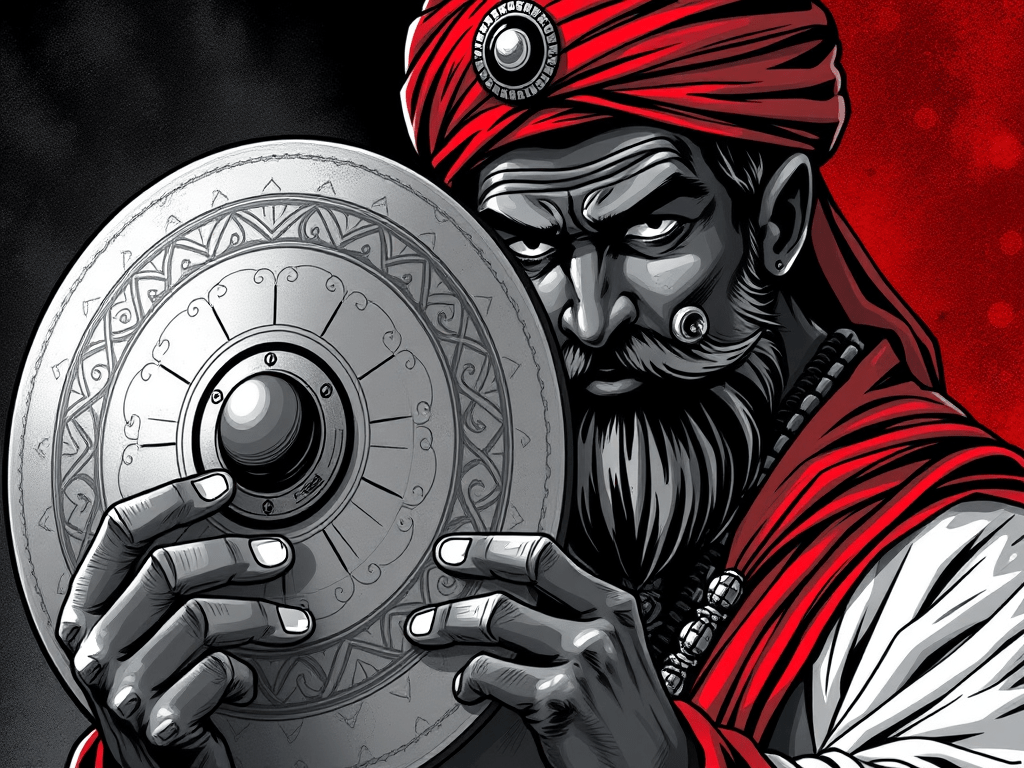
The ride cymbal is more than just a glorious piece of metal sitting proudly atop a cymbal stand—it’s a timekeeper and a unique voice that has evolved as much as the history of drumming. Whether whispering over a jazz trio or driving a rock anthem with power, the ride cymbal has played an integral role in shaping music as we know it. But where did it come from? How did a simple bronze disc transform into one of the most expressive tools in a drummer’s arsenal? To understand the ride cymbal, we need to go back—way back.
Ancient Beginnings: From Warfare to Worship
Cymbals are among the oldest percussion instruments known to man, dating back over 3,000 years. The earliest examples come from Mesopotamia, China, Egypt, and Anatolia (modern-day Turkey), where they were cast from bronze and used in military, religious, and ceremonial contexts. These ancient cymbals weren’t used for Copeland-like ride patterns or syncopated swing beats; they were clashed together in battle to intimidate enemies and signal troops.
The ancient Greeks and Romans also employed cymbals in their music and religious rites, often associating them with the worship of Dionysus, the god of wine and revelry. Similar instruments appear in Indian and Tibetan traditions, used in both spiritual and cultural performances. These early cymbals were often small and hand-held, meant for dramatic effect rather than continuous rhythmic playing. But they set the foundation for what would later become a key component of the modern drum kit.
The Ottoman Influence: The Sound of Empire
The evolution of cymbals as musical instruments owes much to the Ottoman Empire. The Janissary bands—military ensembles that played a crucial role in Ottoman warfare—incorporated large, richly toned cymbals crafted by artisans in Turkey. The Zildjian family (whose surname was given to the family by sultan Osman II) has become one of the most famed names in cymbal making. The company can trace it’s roots as far back as the early 1600s when an alchemist named Avedis I began making cymbals for the royal court and military bands at the invitation of the sultan. The secret alloy formula that Avedis I had developed gave these cymbals a distinctive shimmer and musicality that soon caught the attention of European composers.
By the 18th century, Zildjian cymbals were making their way into Western orchestras. Classical composers like Mozart and Beethoven introduced cymbals into their works, using them for dramatic accents. Still, they weren’t used as continuous rhythmic instruments; their role was mostly limited to explosive crashes and dramatic flourishes.
Birth of the Ride Cymbal: Jazz and the Drum Kit Revolution
The late 19th and early 20th centuries saw the birth of the modern drum kit. As jazz emerged in New Orleans drummers began consolidating percussion instruments into a single playable setup called a “contraption” that was ultimately dubbed the trap kit. The advent of the bass drum pedal allowed for a more streamlined kit, and cymbals became an essential component.
During the early days of jazz, drummers primarily kept time on the snare drum and bass drum while using smaller cymbals—sometimes called “sizzle” or “sock” cymbals—to add texture. However, as jazz ensembles grew larger, drummers needed a way to keep a steady rhythm without overpowering the music. This necessity led to the rise of the ride cymbal.
In the 1930s and 1940s, as swing music took over dance halls, drummers like Papa Jo Jones and Gene Krupa began to emphasize the ride cymbal’s role in maintaining rhythm. They moved away from heavy reliance on the snare and bass drum for timekeeping, instead favoring a larger, more resonant cymbal. This approach allowed for a smoother, more fluid sense of swing, freeing up the snare and bass drum for accents and syncopation.
Bebop and Beyond: The Ride Cymbal as a Lead Instrument
By the time bebop exploded in the 1940s and 1950s, the ride cymbal had cemented its place as the backbone of modern jazz drumming. Bebop drummers like Max Roach, Art Blakey, and Philly Joe Jones took the ride cymbal beyond simple timekeeping—it became a dynamic, expressive instrument of its own.
These drummers used subtle shifts in dynamics, touch, and articulation to shape the music. The ride cymbal wasn’t just keeping time; it was conversing with the soloists, responding to the music with nuanced phrasing. This era saw the development of the classic 20-inch ride cymbal, a size that provided enough sustain for smooth rhythmic flow while maintaining articulation for intricate patterns.
Rock and Fusion: Big, Loud, and Expressive
As rock and roll emerged in the 1950s and 1960s, the role of the ride cymbal expanded yet again. Early rock drummers, influenced by jazz, continued to use the ride for timekeeping, but as amplification improved and bands got louder, drummers needed bigger, heavier cymbals to cut through the mix.
Players like John Bonham (Led Zeppelin), Mitch Mitchell (Jimi Hendrix Experience), and Keith Moon (The Who) pushed their ride cymbals to the limit, using them not just for timekeeping but for explosive crashes and washes of sound. Meanwhile, in jazz fusion, drummers like Billy Cobham and Tony Williams blended jazz’s finesse with rock’s power, using ride cymbals in both traditional and unconventional ways.
This period also saw the introduction of heavier “ping” rides, designed to provide clear stick definition even at high volumes. Cymbal companies began experimenting with different alloys, hammering techniques, and lathing styles to create rides with distinct voices suited for different genres.
Modern Innovations: Endless Possibilities
Today, the ride cymbal is one of the most versatile elements of a drum kit. Cymbal makers offer an array of ride cymbals tailored to different playing styles—dry rides, crashable rides, flat rides as well as rides with oversized bells.
Drummers have more choices than ever, from traditional hand-hammered Turkish-style rides to precision-machined models designed for cutting projection. Players like Steve Gadd, Vinnie Colaiuta, and Jojo Mayer continue to push the boundaries of what a ride cymbal can do, exploring everything from whisper-soft jazz textures to aggressive breakbeat grooves.
A Cymbal with a Story
The ride cymbal’s evolution is a testament to the constant innovation in music. What started as a tool of war and ceremony has become one of the most expressive and dynamic instruments in modern drumming. Whether used to craft intricate jazz phrases, propel a rock groove, or create ethereal soundscapes in experimental music, the ride cymbal remains a vital voice in the drummer’s palette.
This story is far from over, and there will be no riding off into the sunset anytime soon. As drummers continue to push the boundaries of rhythm, texture, and musicality, the ride cymbal will keep evolving—just as it has for thousands of years.
Sean Mitchell is a drummer/artist, songwriter and the creator of Drum Geek.






 DRUM GEEK